Find The Cause Research Consortium

David H. Sherr, PhD, Consortium Director
Emeritus Professor
Department of Environmental Health
Boston University School of Public Health
Dr. Sherr is a molecular biologist, toxicologist, and cancer immunologist who studies cellular receptors that recognize a wide variety of environmental pollutants that signal cells to both grow and metastasize. He is an internationally recognized expert on the aryl hydrocarbon receptor (AhR), a protein that binds to environmental carcinogens and begins the aberrant signaling that results in a full-blown cancer cell.

Charlotte Kuperwasser, PhD
Director, Tufts Convergence Laboratory of Biomedical, Physical, and Engineering Sciences; Professor at Tufts University School of Medicine, Developmental, Molecular & Chemical Biology
Dr. Kuperwasser is an internationally recognized expert in the fields of mammary gland biology and breast cancer prevention.
Her lab focuses on the molecular mechanisms, cellular interactions, and microenvironmental factors that govern breast tissue development, regeneration, cancer prevention, and cancer progression. Our lab has developed advanced organoid technologies with an emphasis on human breast tissue, that model and provide deeper insights into tissue architecture and disease modeling. Additionally, her work explores the regulatory networks and epigenetic mechanisms affecting cell lineage and plasticity, particularly under the influence of transcription factors and BRCA1. Recent activities has focused on studying the effects of endorcine disrupting chemicals on human tissue development and susceptibility to cancer.

Stefano Monti, PhD
Professor of Medicine and Biostatistics, BU School of Medicine. Affiliate Member, BU Bioinformatics Program; Affiliate Member, Rafik Hariri Institute for Computing and CS&E
Dr. Monti received his baccalaureate degree in computer science from the University of Udine in Italy. He received Masters degrees from the University of Houston in computer science and the University of Pittsburgh in artificial intelligence. His PhD work on artificial intelligence, as it relates to medical issues, also was performed at the University of Pittsburgh. He conducted his postdoctoral work at the Robotics Institute of Carnegie Mellon University. Prior to being appointed Senior Computational Biologist at the Broad Institute of MIT & Harvard University, he was a research scientist at the Center for Genome Research at the Whitehead Institute at MIT. Dr. Monti has developed a cutting-edge technology for rapidly and economically screening thousands of chemicals for their ability to influence expression of virtually all cancer-related signaling pathways within human cells, including but not limited to the AhR, the Wnt, and the NF-κB pathways. The National Institutes of Health (NIH) has acknowledged that this type of high-throughput screening assay may be the only practical way to determine how we are affected by mixtures of environmental pollutants.
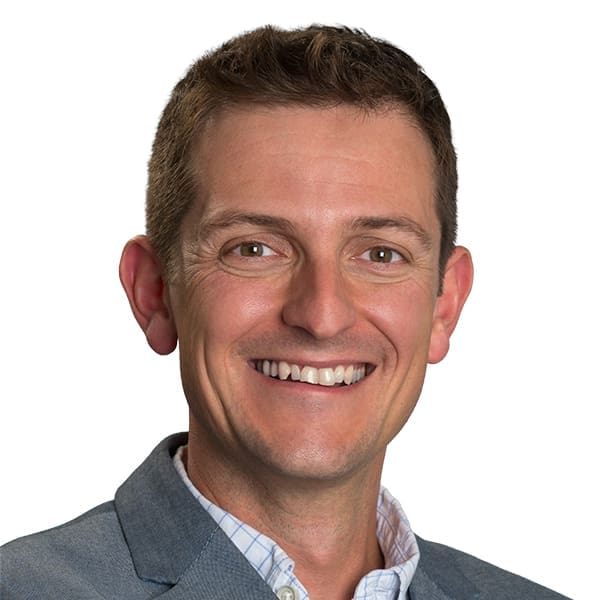
Francisco J. Quintana, Ph.D.
Francisco J. Quintana, Ph.D. is a Professor of Neurology at the Center for Neurologic Diseases, at Brigham and Women’s Hospital, Harvard Medical School, and an Associate Member at the Broad Institute of Harvard and MIT.
Dr. Quintana, a graduate of the University of Buenos Aires (1999, Argentina), obtained his Ph.D. in immunology at the Weizmann Institute of Science (2004, Israel). He received postdoctoral training at the Weizmann Institute of Science and at Harvard Medical School. In 2010, Dr. Quintana joined the faculty of Harvard Medical School.
Dr. Quintana’s research investigates signaling pathways that control the immune response and neurodegeneration, with the ultimate goal of identifying novel therapeutic targets and biomarkers for immune-mediated disorders. Dr. Quintana has published over 230 peer reviewed articles and book chapters. In addition, Dr. Quintana’s research has resulted in multiple patents which have been the foundation of four companies: ImmunArray Ltd, Alma Bio Therapeutics, AnTolRx Inc, and Violet Therapeutics. Dr. Quintana is the Director of the course Autoimmunity at Harvard Medical School.
Dr. Quintana has been the recipient of the Lady Anne Chain Prize for Academic Excellence and Scientific Achievements, the Junior Investigator Award from the National Multiple Sclerosis Society, the Pathway to Independence Award of the National Institute of Allergy and Infectious Diseases, the Award for Outstanding Research Achievements form Nature Biotechnology and the Tecan Award for Innovation, the Harry Weaver Award from the National Multiple Sclerosis Society, the Young Mentor Award from Harvard Medical School, the Milestones in MS research from the National MS Society, the AAI-BD Bioscience Investigator Award, the Barancik Prize for Innovation in MS Research from the National Multiple Sclerosis Society, and the Raices Award from the Republic of Argentina. He has been listed as one the Most Highly Cited researchers by the Institute for Scientific Information (ISI) every year since 2019, and has been the Indirawati Kuchroo and Charlotte Weiner Distinguished Professor of Neuroimmunology at Brigham and Women’s Hospital and Harvard Medical School since 2021.

Victoria L. Seewaldt, M.D.
Victoria Seewaldt, M.D., the Ruth Ziegler Chair in Population Sciences, and professor and chair, Department of Population Sciences, is an accomplished clinician and researcher who’s devoted to improving the lives of her patients and the community at large. She has led community outreach education efforts on cancer prevention through personal well-being and directed research aimed at finding biomarkers that can be used for early cancer detection, particularly triple-negative breast cancers that are especially resistant to treatment.
At City of Hope®, Dr. Seewaldt directs efforts to provide breast cancer education, free breast cancer screening and treatment, mentorship of young minority scholars and a forum for community partnered trials. Clinically, Dr. Seewaldt aims to empower women at high breast cancer risk to be full partners in developing wellness strategies to promote personal health.
Dr. Seewaldt received her medical degree from University of California Davis, and completed her residency and clinical fellowship at University of Washington in Seattle. She then pursued a medical oncology fellowship with the Fred Hutchinson Cancer Research Center and then became an assistant professor at The Ohio State University. Afterward, she transferred to Duke University, where she held various clinical, academic and leadership roles in its School of Medicine and Comprehensive Cancer Center — most recently as a professor, co-leader of the breast and ovarian cancer program, and head of the cancer breast prevention program — before joining City of Hope.

Jessalyn Ubellacker, PhD, MD
Assistant Professor of Molecular Metabolism Ubellacker at Harvard T.H. Chan School of Public Health
Jessalyn Ubellacker grew up in Lexington, Kentucky where she completed her B.S. and M.P.H degrees (University of Kentucky, 2011). She earned an M.A. in Medical Science (Boston University, 2013) prior to earning her Ph.D. in Biological and Biomedical Sciences (Harvard Medical School, 2017). During her doctoral training, she investigated the influence of the microenvironment on breast cancer metastasis in the lab of Dr. Sandra S. McAllister. Jessalyn completed her postdoctoral work in the laboratory of Dr. Sean J. Morrison at the Children’s Research Institute (UT Southwestern, 2021). During her postdoctoral training, she discovered that melanoma cells in lymph nodes experience less oxidative stress and form more metastasis than melanoma cells in the blood. Jessalyn’s work suggests initial metastasis through lymph nodes allows the cells to survive subsequent metastasis through the blood by protecting cancer cells from lipid reactive oxygen species.

Xaralabos (Bob) Varelas
Professor, Boston University Chobanian & Avedisian School of Medicine
EDUCATION PhD: University of Alberta (Edmonton, Canada) Postdoctoral training: Lunenfeld-Tanenbaum Research Institute, Mount Sinai Hospital (Toronto, Canada)
Research in the Varelas lab is focused on gaining insight into the molecular mechanisms by which cell fate is coordinated with cell proliferation and survival during animal development and disease. The lab is particularly interested in understanding the roles and regulation of the transcriptional regulators YAP and TAZ (YAP/TAZ), which are key effectors of the Hippo signaling pathway. YAP/TAZ integrate cell polarity and mechanical cues with information relayed by growth factors and chemicals to direct essential processes and maintain organ homeostasis. The lab is incorporating genetic and biochemical approaches to define how YAP/TAZ control developmental events, and how dysregulation of YAP/TAZ activity contributes the etiology of various diseases, such as cancer.